Events for Local Farmers and Food Producers (Year 2024)
Nakhon Si Thammarat Rajabhat University (NSTRU) – Empowering Local Farmers and Food Producers through Knowledge and Technology (SDG 2)
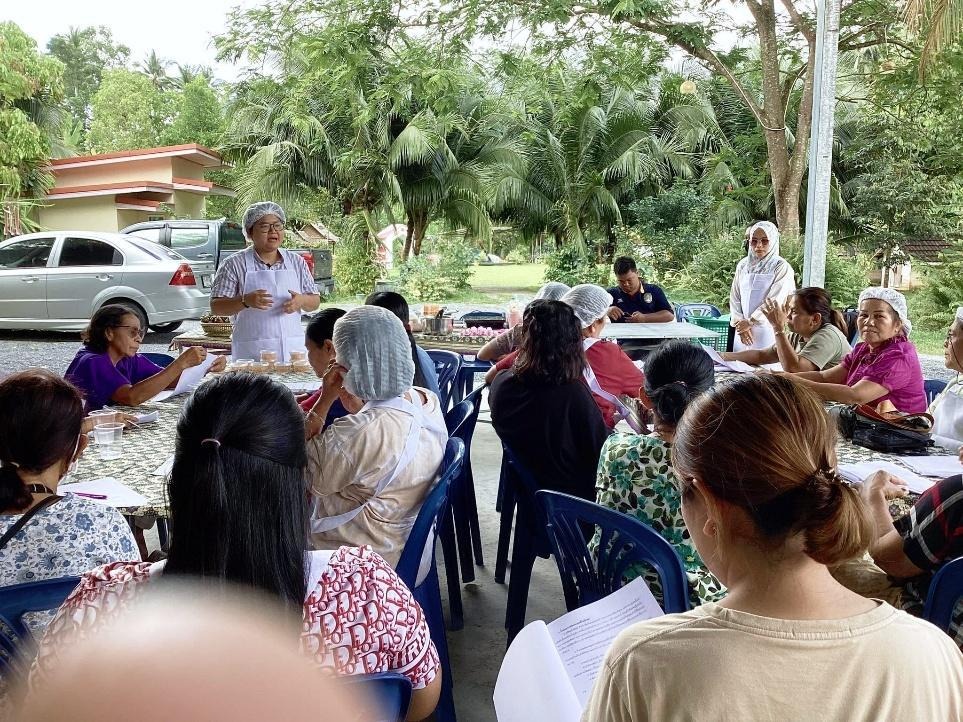
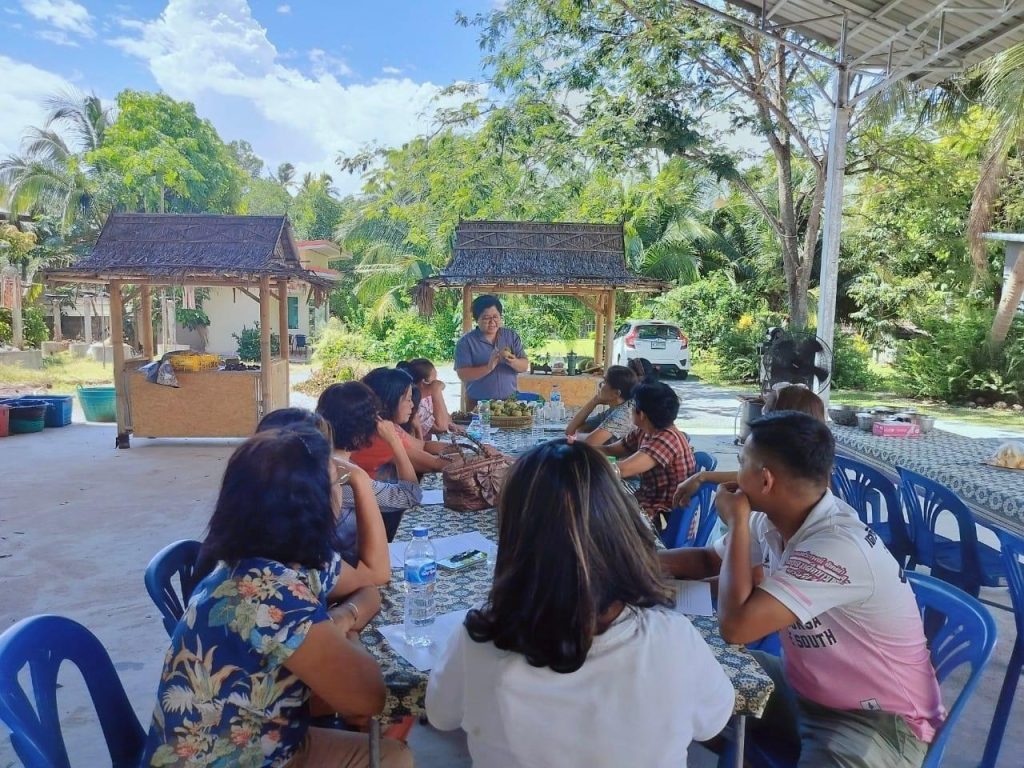
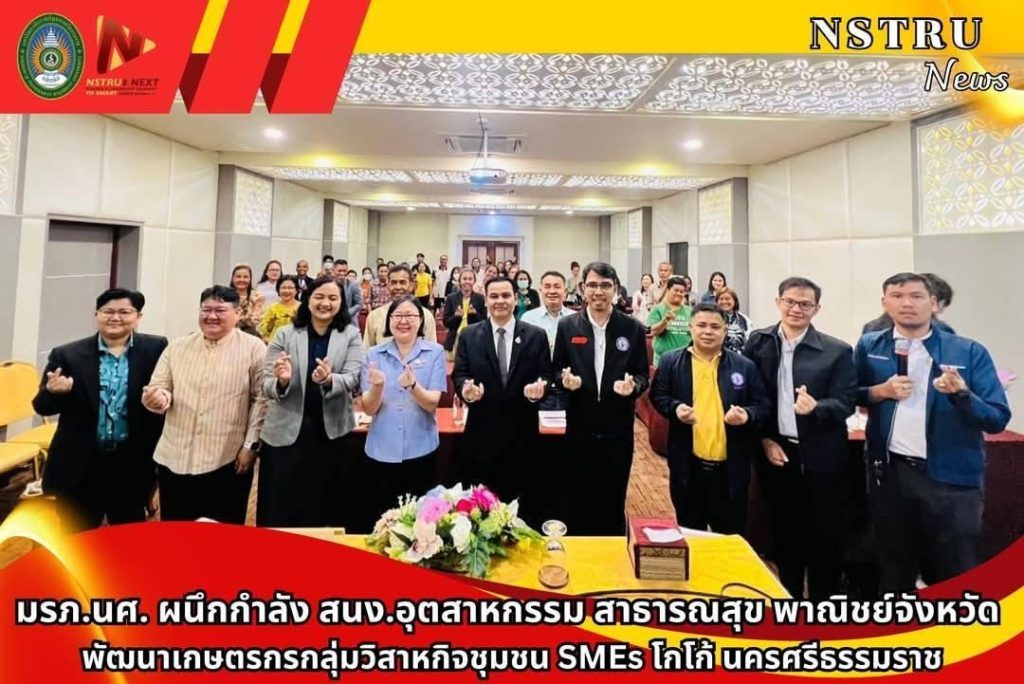
Increasing productivity and adding value to agricultural products at the community level is essential to eliminating hunger and poverty, in line with SDG 2: Zero Hunger. In 2024, Nakhon Si Thammarat Rajabhat University (NSTRU) conducted events to transfer agricultural processing knowledge and technology to strengthen local farmers and food producers, enabling them to create standardized, safe, and sustainable products.
Objectives
- Transfer agricultural product processing technologies to community farmers and entrepreneurs.
- Improve the quality and safety of products made from local raw materials such as coconut, mangosteen, and cocoa.
- Increase farmer income by adding value to agricultural products.
Target Areas and Participants
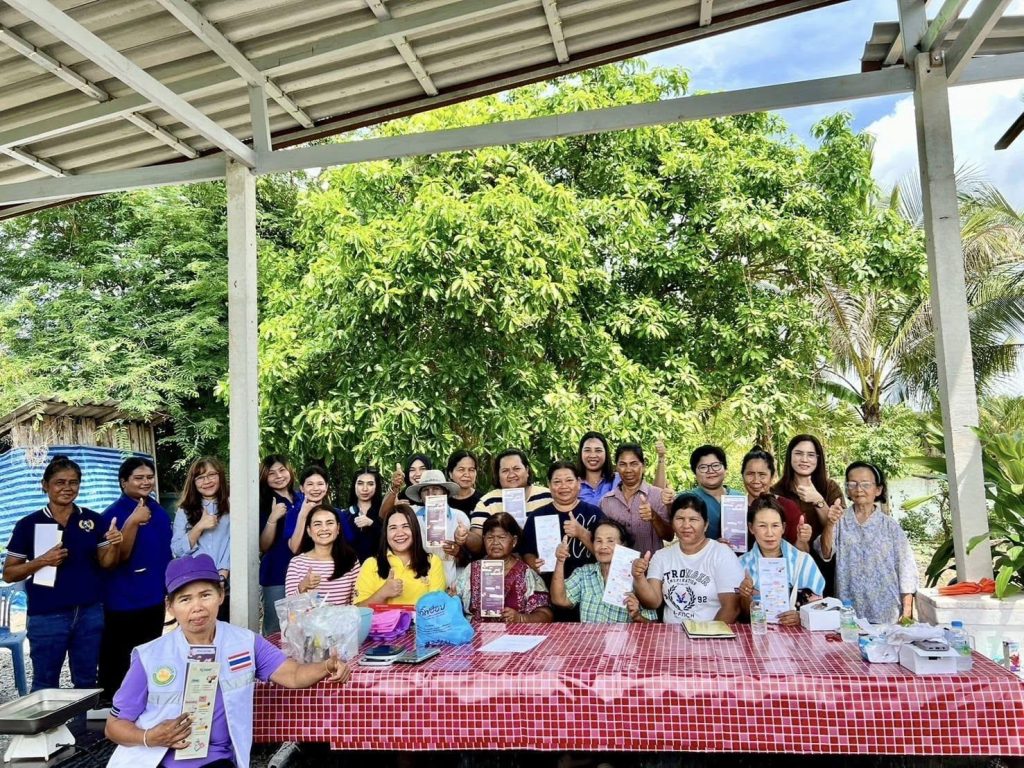
Activities covered Nakhon Si Thammarat Province and involved over 200 farmers and food producers, including:
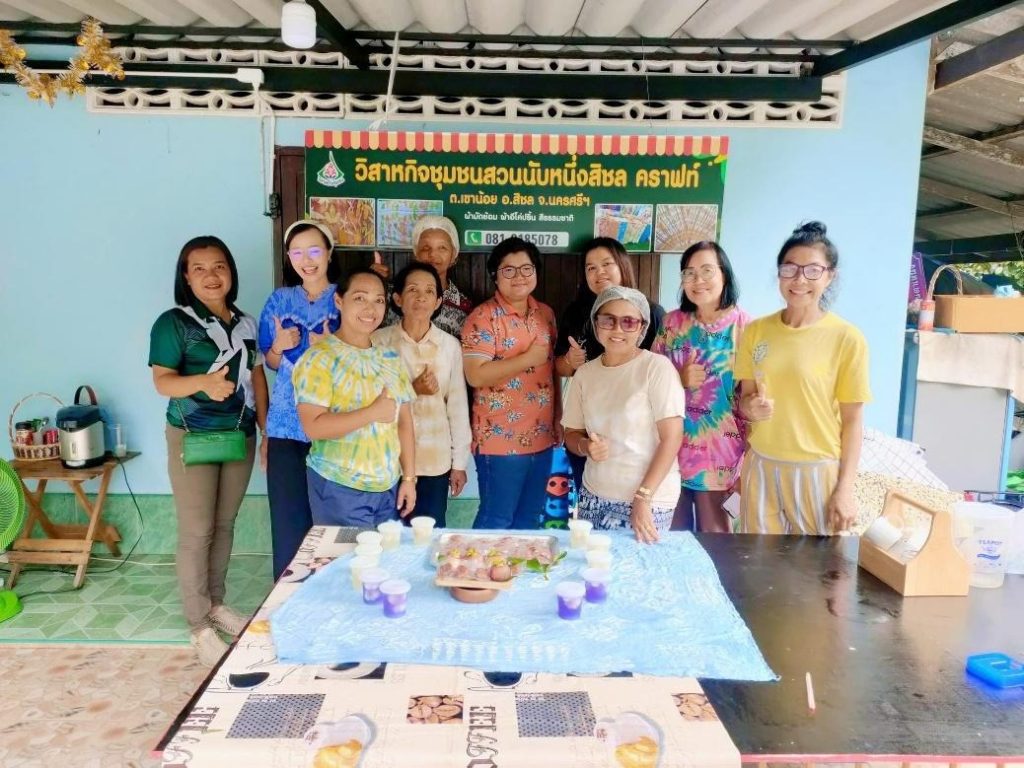
- Coconut processing groups such as Hat Ban Pret, Suan Nab Neung Sichon, and Ban Laem Homestay.
- Mangosteen groups like the Phrom Lok Tourism Entrepreneurs Community Enterprise.
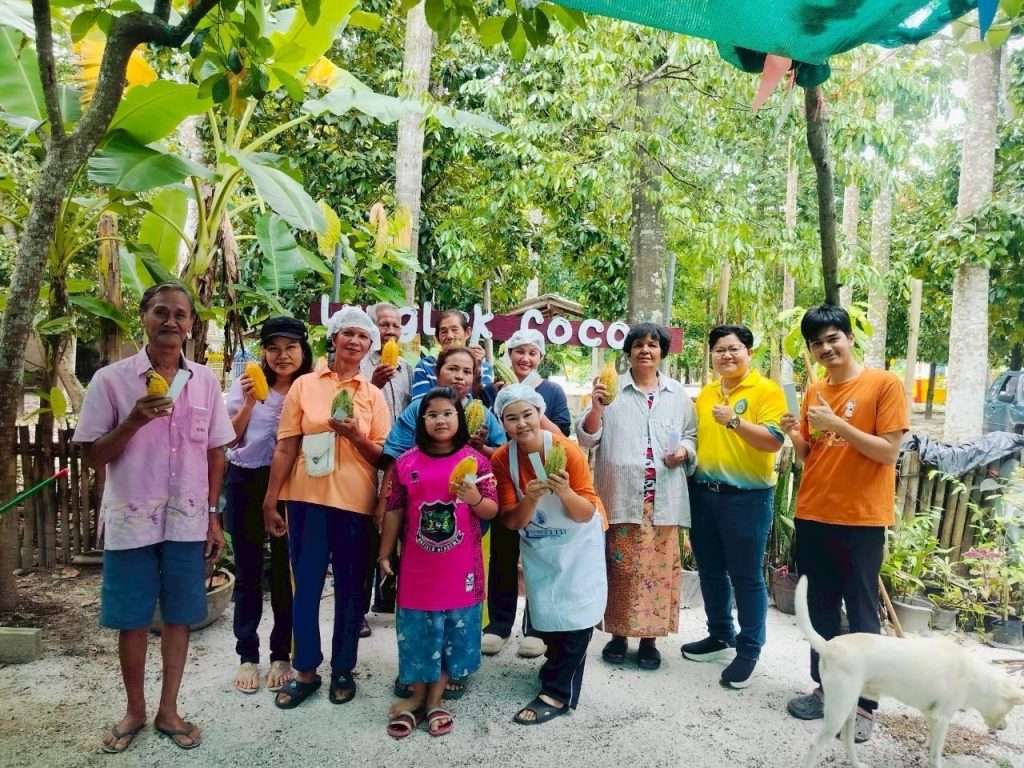
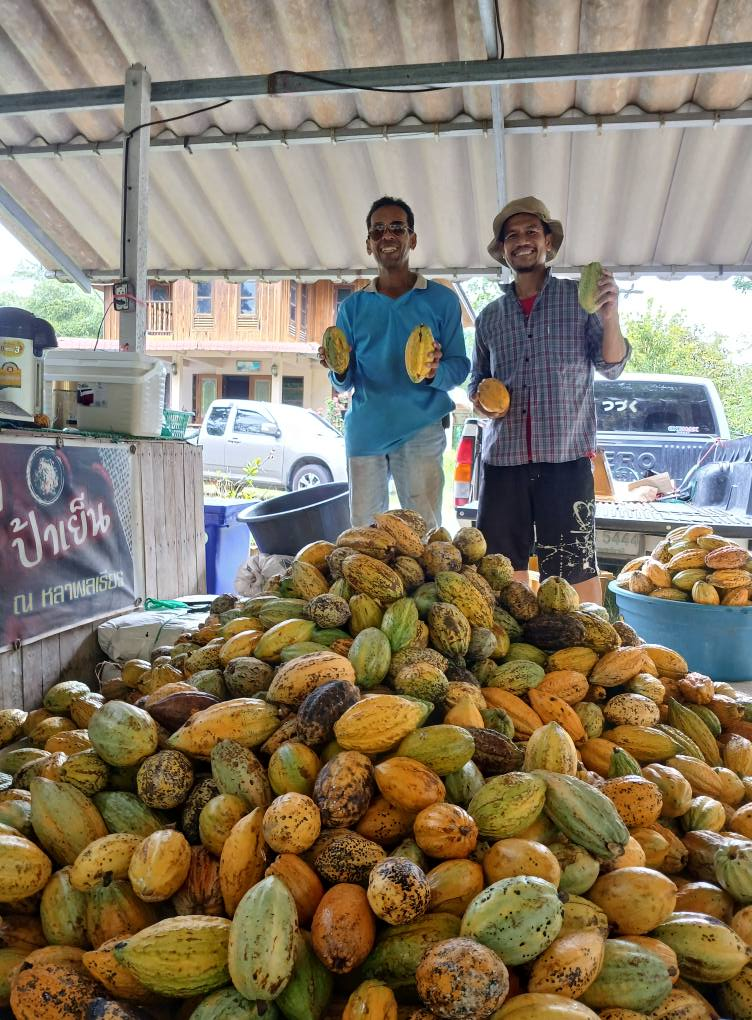
- Cocoa enterprises including Suan Lung Lek, Thung Song, Thung Pho, and Blueco Valley Agritourism Village.
Key Activities and Workshops
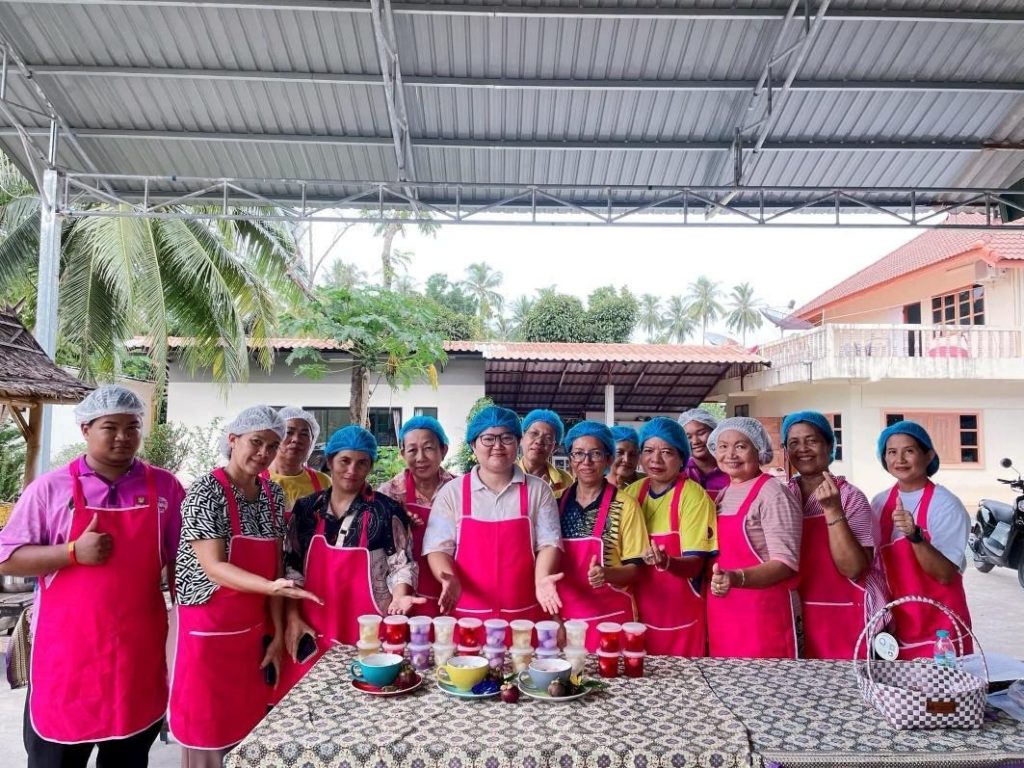
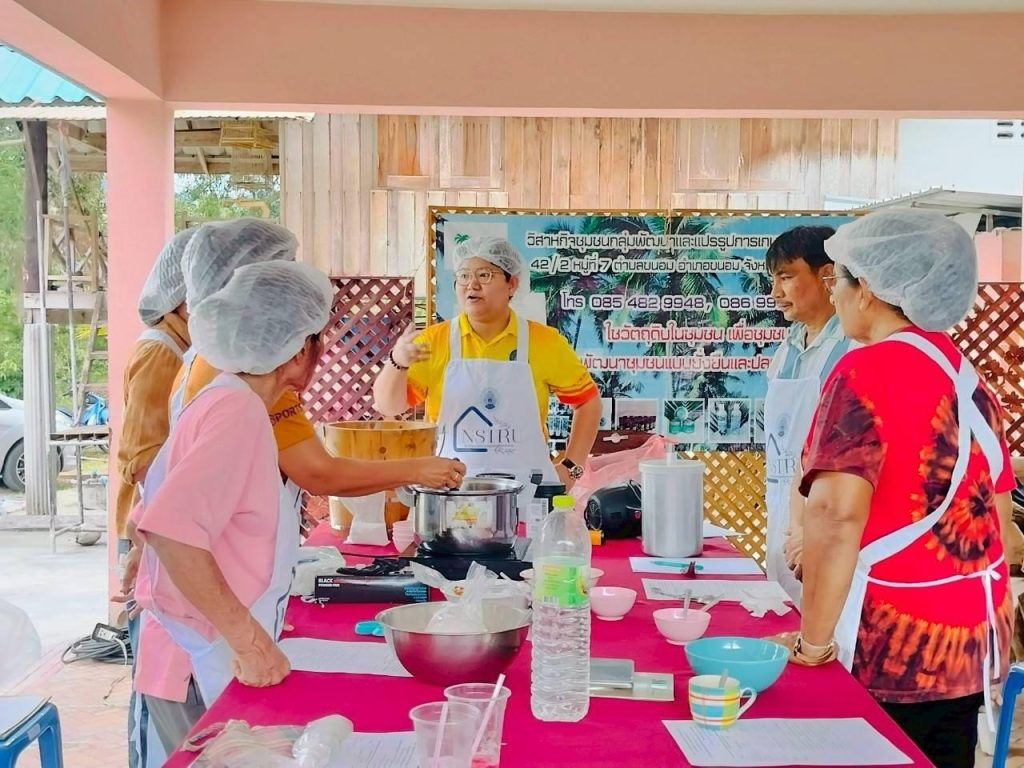
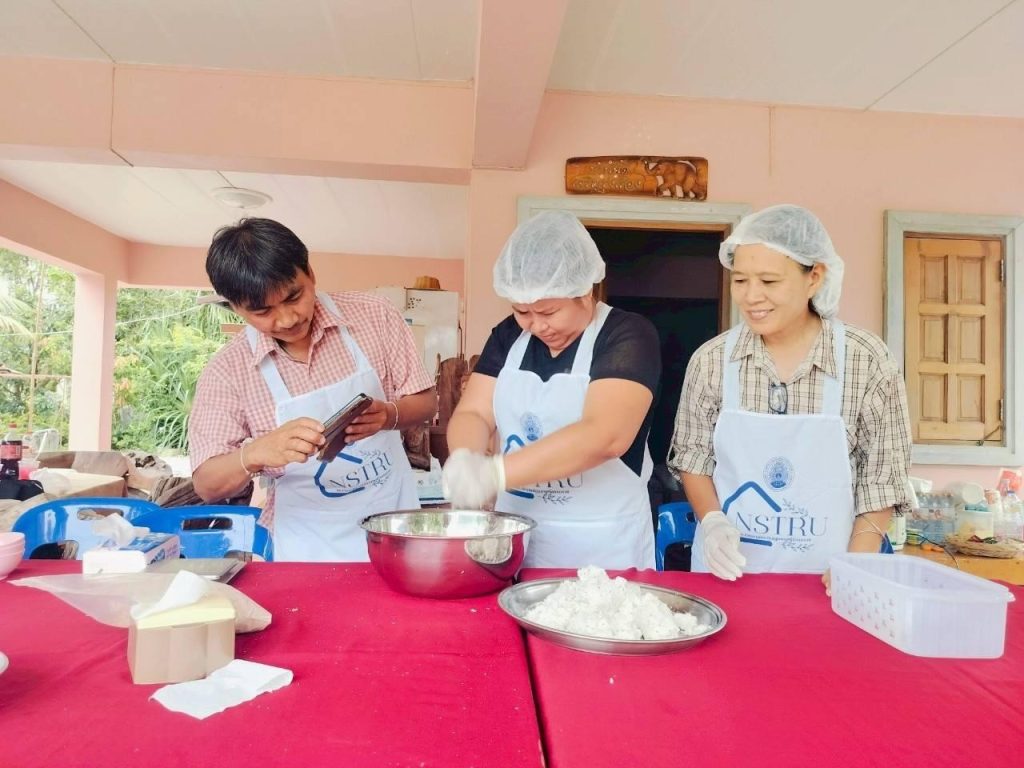
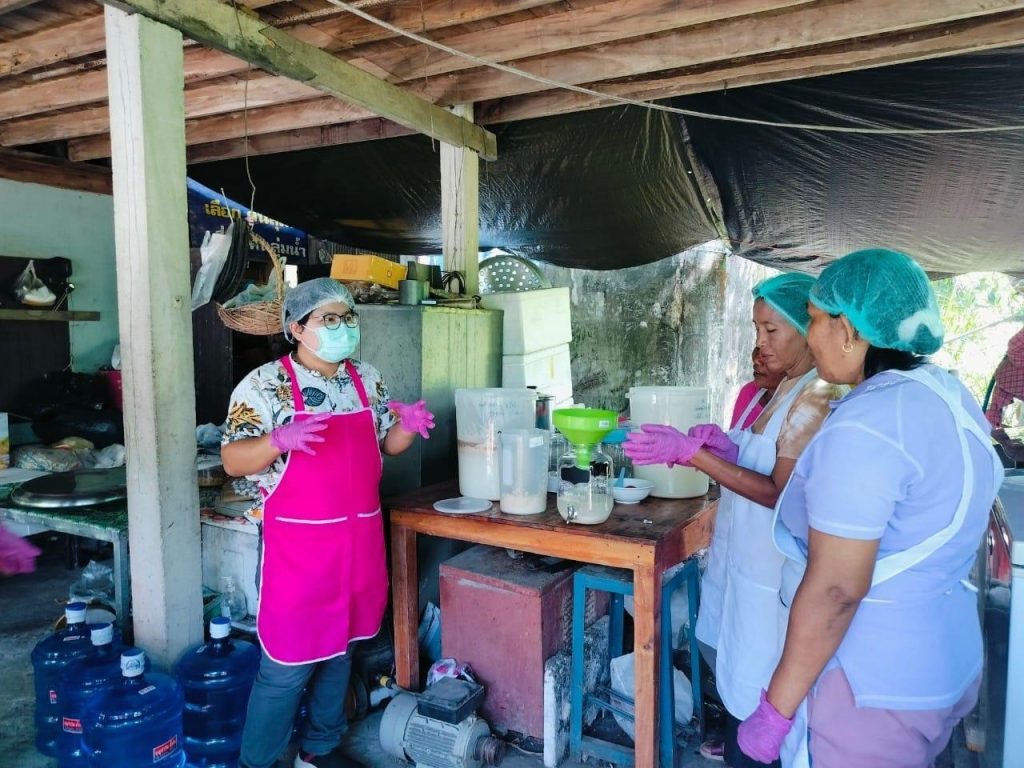
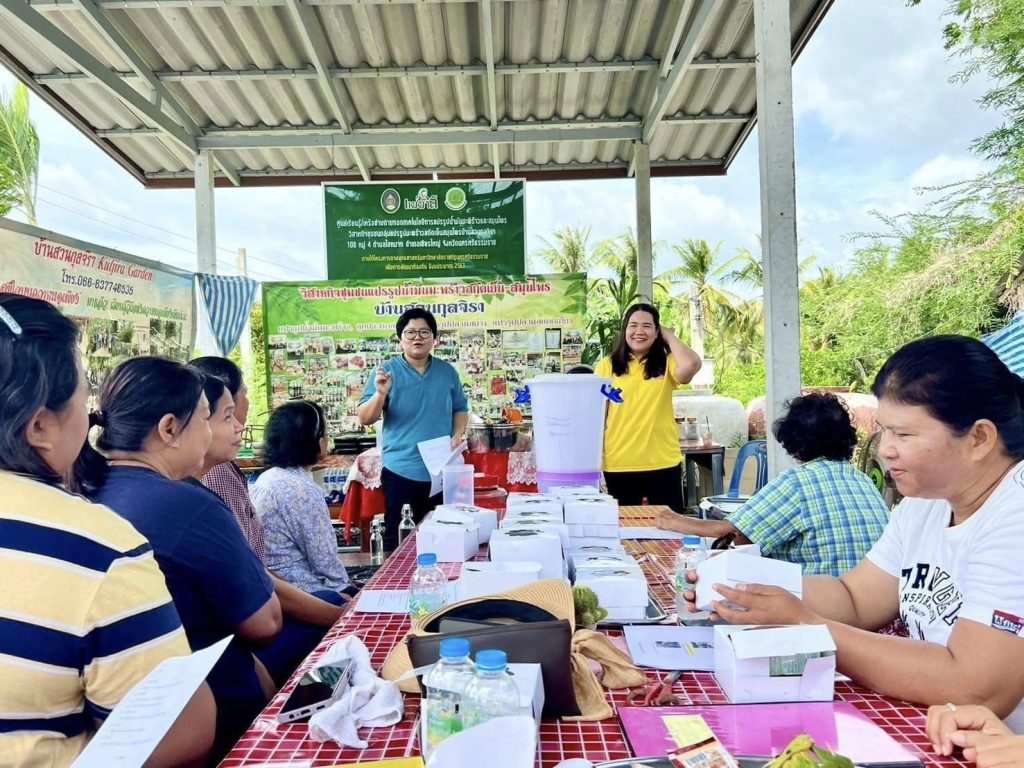
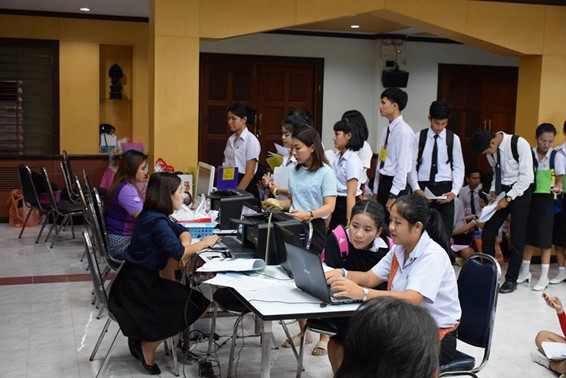
Farmers participated in workshops and technology transfers covering:
- Coconut processing: ice cream, cold-pressed oil gummies, coconut flour, bakery products, sunscreen, and natural dye from coconut shell extract.
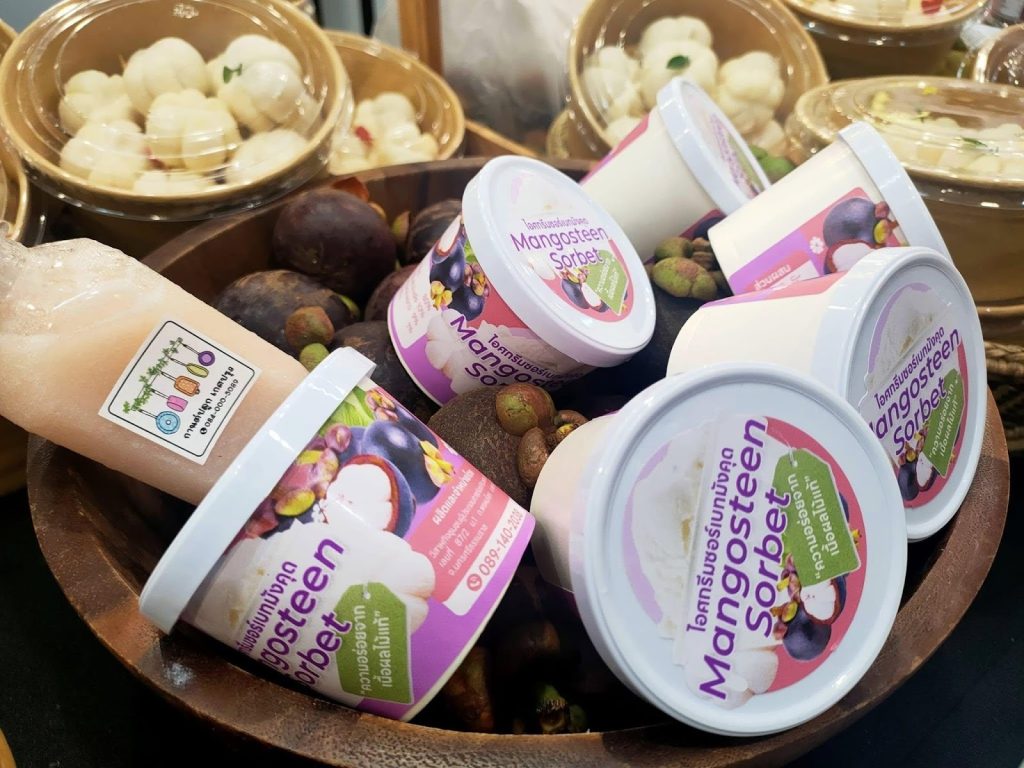
- Mangosteen processing: pigment extraction, beverages, and value-added food products such as ice cream, toffee, filled cookies, chili paste, and gummies.
- Cocoa processing: fermentation, drying, powder production, and chocolate making.
Additional sessions covered branding, packaging design, and food product standards with in-depth consultations on FDA and GMP compliance.
Tangible Results
- Over 90% of participants gained new knowledge and processing skills.
- More than 15 new value-added products were developed and sold locally.
- Farmers increased income by an average of 25%.
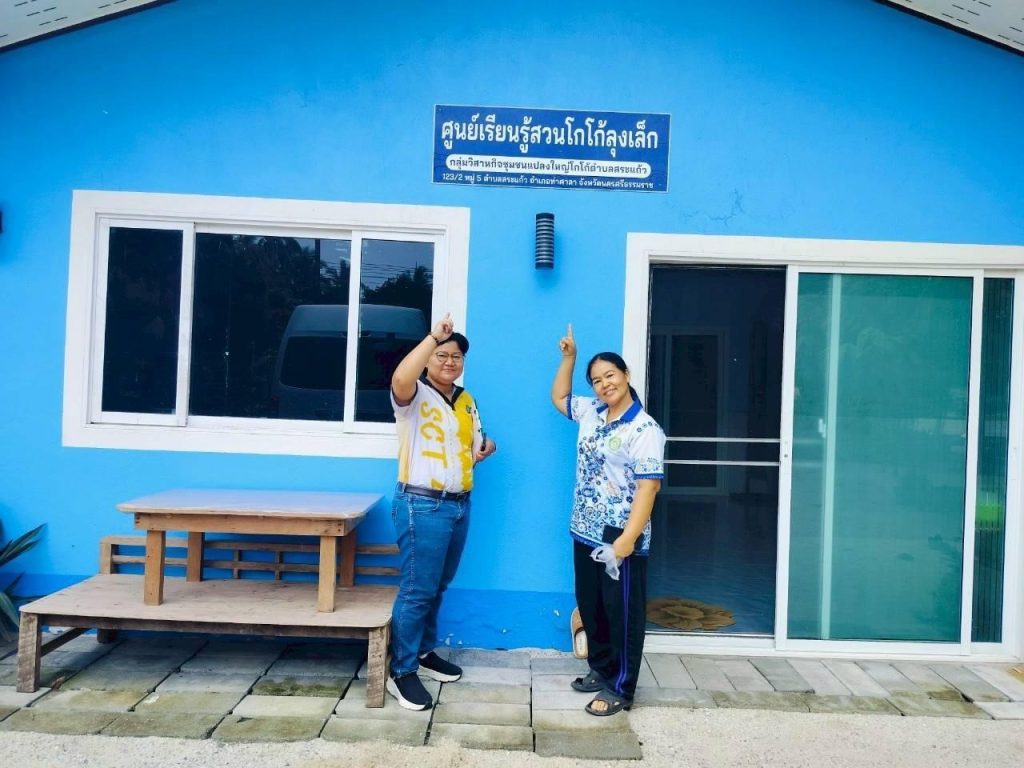
- Established a “Learning Center for Sustainable Local Agricultural Product Processing and Development.”
Economic, Social, Environmental, and Educational Impacts
- Economic: Farmers added value to their produce and achieved income stability.
- Social: Communities built production networks and shared intergenerational knowledge.
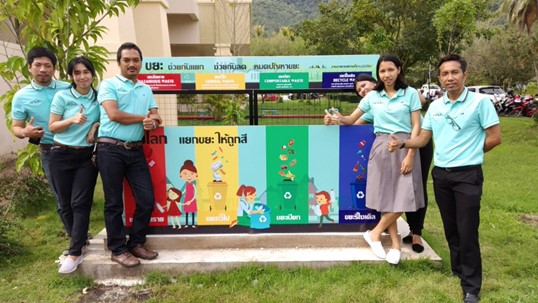
- Environmental: Efficient use of local raw materials and waste reduction.
- Educational: Universities acted as hubs integrating research, knowledge, and community services for sustainable development.
🌿 Aligned with SDG 2: Zero Hunger
This initiative by Nakhon Si Thammarat Rajabhat University advances SDG 2 by enhancing the capacity of small-scale farmers and food producers through knowledge and technology transfer, leading to sustainable food security and community resilience.